
The Evolution of Tabletop Games
Tabletop games have a rich history that stretches back millennia. From ancient games like Senet and Go to modern classics like Chess and Monopoly, these games have captivated players for generations. Today, tabletop games encompass a wide variety of genres and styles, catering to a diverse audience around the globe.
The Rise of Modern Tabletop Gaming
In recent decades, there has been a significant resurgence in the popularity of tabletop games. This renaissance has led to an explosion of creativity, with designers experimenting with new mechanics and themes. Games like Dungeons & Dragons have not only survived but thrived, influencing countless other games and becoming a cultural phenomenon in their own right.
As players seek new and engaging experiences, modern tabletop games have evolved to include cooperative gameplay, intricate storytelling, and highly strategic mechanics. This evolution has contributed to a booming market, with an ever-increasing number of titles being released each year. From small independent publishers to industry giants, the diversity of the tabletop gaming landscape is vast.
Tabletop Games as a Social Experience
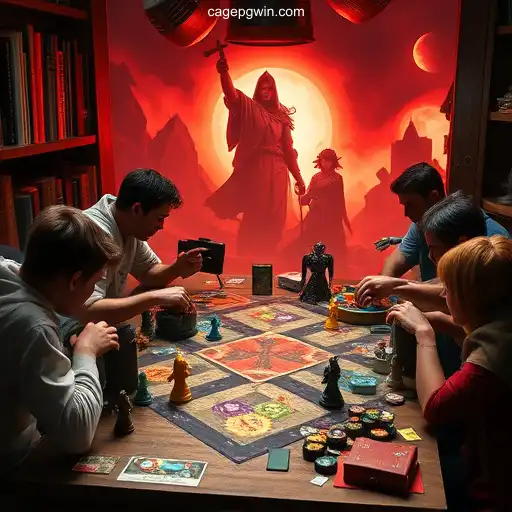
One of the most appealing aspects of tabletop games is their ability to bring people together. Whether it’s gathering around a board with friends and family or participating in larger organized events, these games provide a social experience unmatched by digital counterparts. This social element has been a key factor in the enduring popularity of tabletop games.
Tabletop gaming also fosters a sense of community. Enthusiasts often gather at local game stores, conventions, and online forums to share their passion, discuss strategies, and celebrate the hobby. With the rise of digital communication, platforms like CagePG⭐️ ONLINE PLATAFORMA OFICIAL CagePG.Com have become invaluable in connecting players and promoting the growth of tabletop gaming communities.
Genres and Styles of Tabletop Games
The world of tabletop games is incredibly diverse, offering something for everyone. From strategic war games to light-hearted party games, the genre spectrum is wide. Some popular categories include:
- Board Games: These games often involve players using strategy to achieve a specific goal. Classic examples include Chess, Settlers of Catan, and Risk.
- Card Games: Utilizing a deck of cards, these games can range from traditional favorites like Poker to modern card-building games such as Dominion.
- Role-Playing Games (RPGs): Players assume fictional roles and embark on adventures guided by a set of rules and narratives. Dungeons & Dragons is a quintessential example.
- Miniature Games: These games use painted figures and models to simulate battles in a predefined environment, with Warhammer being a notable example.
- Party Games: Designed for casual and social play, these games often emphasize fun and humor over complex mechanics. Titles like Cards Against Humanity and Telestrations are crowd favorites.
The Digital Transformation and Online Tabletop Platforms
With the rapid advancement of technology, tabletop games have found new life in the digital world. Online platforms have emerged to simulate the experience of playing in person. These tools allow players to connect remotely, expanding the reach of tabletop gaming and easing accessibility for all.
CagePG⭐️ ONLINE PLATAFORMA OFICIAL CagePG.Com is one such platform, providing a reliable site for enthusiasts to discover new games, meet other players, and engage in virtual gaming sessions. As the gap between physical and digital realms narrows, these platforms ensure that the spirit of tabletop gaming stays alive, regardless of geographical limitations.
The Impact of Tabletop Games on Popular Culture
Tabletop games have influenced various aspects of popular culture, inspiring movies, TV shows, and literature. Iconic game settings and narratives often find their way into mainstream media, driving the imagination of creators and fans alike. The inclusion of tabletop gaming in mainstream entertainment further solidifies its place as a cultural cornerstone.
As pop culture continues to embrace tabletop gaming, the hobby is likely to expand further, attracting new audiences and inspiring even more creative ventures. The stories and experiences shared over a game table resonate with a universal appeal that transcends generations.
Conclusion: A Bright Future for Tabletop Gaming
The resurgence of tabletop games is a testament to their timeless appeal and adaptability. With platforms like CagePG⭐️ ONLINE PLATAFORMA OFICIAL CagePG.Com enhancing accessibility and fostering community engagement, the future of tabletop gaming looks bright. As new designers push the boundaries of gameplay and storytelling, the diverse world of tabletop games will continue to captivate players of all ages and backgrounds.